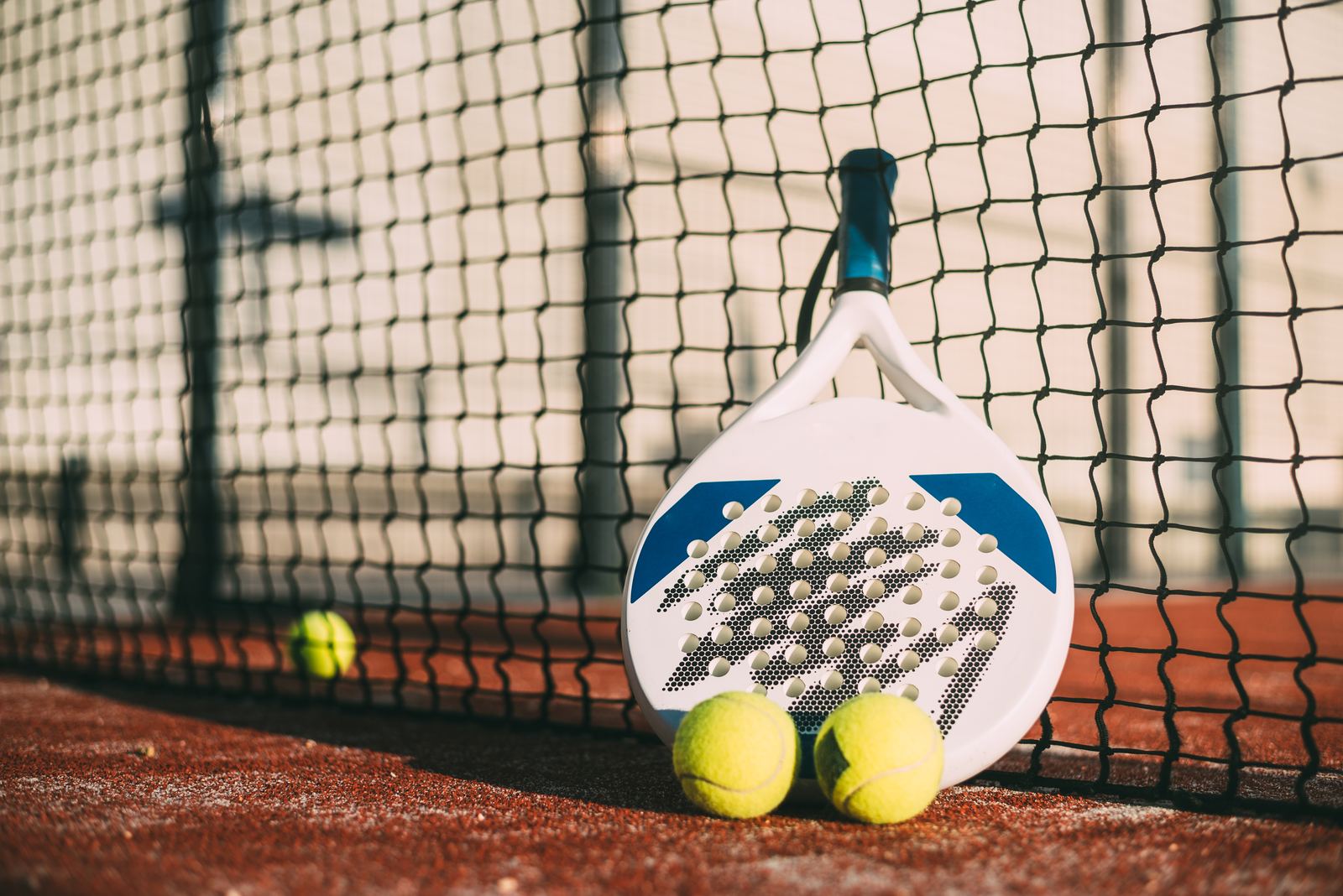
Padel gear is refreshingly simple: one solid racket, a can of balls, a pair of court shoes. It is also a category drowning in marketing — carbon-fiber jargon, pro endorsements and triple-digit price tags for differences most club players cannot feel. After six years of buying, breaking and lending gear across South Florida courts, here is my honest map of what matters. No affiliate links, no sponsored picks.
The racket: shape first, everything else second
A padel racket (in Spanish, pala) has no strings. It is a solid frame with a foam core — usually soft or hard EVA — sandwiched between faces of fiberglass or carbon fiber, with holes drilled through the hitting surface. Three shapes dominate, and shape is the single most useful thing to understand:
- Round: the sweet spot sits low and center, the balance is close to the hand, and mishits are forgiven. This is the control shape — and the correct first racket for almost everyone.
- Teardrop: the middle ground. Balance shifts slightly toward the head for more power while keeping a usable sweet spot. A natural second racket.
- Diamond: head-heavy, high sweet spot, built for attacking players who hit smashes with intent and rarely mishit. In beginner hands it mostly produces elbow pain and framed balls.
On materials: fiberglass faces are softer, cheaper and more forgiving; carbon faces are stiffer, more durable and more precise. Soft EVA cores add comfort and pop at low swing speeds; hard cores reward fast swings. The honest summary — a mid-priced round racket with a fiberglass or hybrid face will serve a first-year player better than any flagship model. The flagship is tuned for a swing you do not have yet.
Weight, balance and your elbow
Most adult rackets weigh between 350 and 385 grams. Lighter is faster in defense; heavier adds smash power but taxes the arm. If you have any history of tennis elbow, err light, err round, and add an overgrip — thin factory grips transmit vibration straight into the forearm. Grip size in padel is adjusted almost entirely with overgrips; many players stack two or three.
Balls: yes, they are different from tennis balls
Padel balls look identical to tennis balls and are, functionally, their slightly deflated cousins — a touch smaller in specification and pressurized lower. That difference tunes the bounce for a 10-by-20 court and glass rebounds. Tennis balls on a padel court bounce long and high, and every rally quietly turns worse. Buy actual padel balls; they are inexpensive, and pressurized balls die in a few sessions, so buy several cans rather than one premium tin.
Shoes: the most underrated purchase
Beginners spend their budget on the racket and play in running shoes. It should be the reverse. Padel is lateral: split steps, slides, hard direction changes on abrasive turf-and-sand surfaces. Running shoes are built for none of that, and ankle sprains are the sport's most common beginner injury. What works:
- Herringbone (clay-pattern) soles — the standard choice, gripping sand-dressed artificial turf while still allowing controlled slides.
- Omni/hybrid soles — dotted rubber patterns that suit some court carpets; fine as an all-rounder.
- Actual tennis shoes — an acceptable stopgap; far better than running shoes because they at least brace lateral movement.
What you can skip (for now)
Wristbands, compression sleeves, "anti-vibration" gadgets, racket bags the size of luggage and any ball-pressure maintenance device — all optional at best in your first year. The mandatory extras list is short: the wrist cord that comes with every racket (required by the rules and by common sense inside a glass box), an overgrip or two, and sunscreen if you play Florida's outdoor courts.
Making it last
Two habits stretch any budget. Keep the racket out of a hot car trunk — Florida heat delaminates faces and softens foam cores faster than any amount of play, and it is the single most common way rackets die here. And rotate your balls: open a fresh can for competitive matches, demote the previous can to training. Rackets realistically last one to three seasons for a regular club player; when the sound of your hits turns dull and cracked edges appear, the core has gone, no matter how intact the paint looks.
A sane first-year budget
A dependable starter setup — mid-range round racket, three cans of balls, proper court shoes — lands comfortably in the low hundreds of dollars, total. Spend the savings on what actually improves your game faster than any material: a few group clinics and a standing weekly match. Gear holds your level; people raise it. And if you are unsure where to play that weekly match, my Boca Raton court guide is the place to start.